What is a Roll Down Fire Door and How Does It Work?
A Roll Down Fire Door is a critical safety feature in many buildings. Its primary purpose is to contain smoke and fire, protecting people and property. This door is typically made from durable materials, designed to withstand high temperatures. When activated, it rolls down automatically, sealing off areas to prevent the spread of flames.
Understanding how a Roll Down Fire Door operates is essential for safety compliance. These doors often use sensors or alarms to detect smoke or heat. Once triggered, they descend rapidly and effectively. Regular maintenance is crucial; otherwise, they may fail when needed most. People often overlook this aspect, which can lead to serious consequences.
In an emergency, having a functioning Roll Down Fire Door can save lives. However, many buildings do not install them correctly. This oversight stems from a lack of knowledge or resources. While these doors are vital, their effectiveness relies on proper usage and upkeep. Awareness can lead to better fire safety practices.
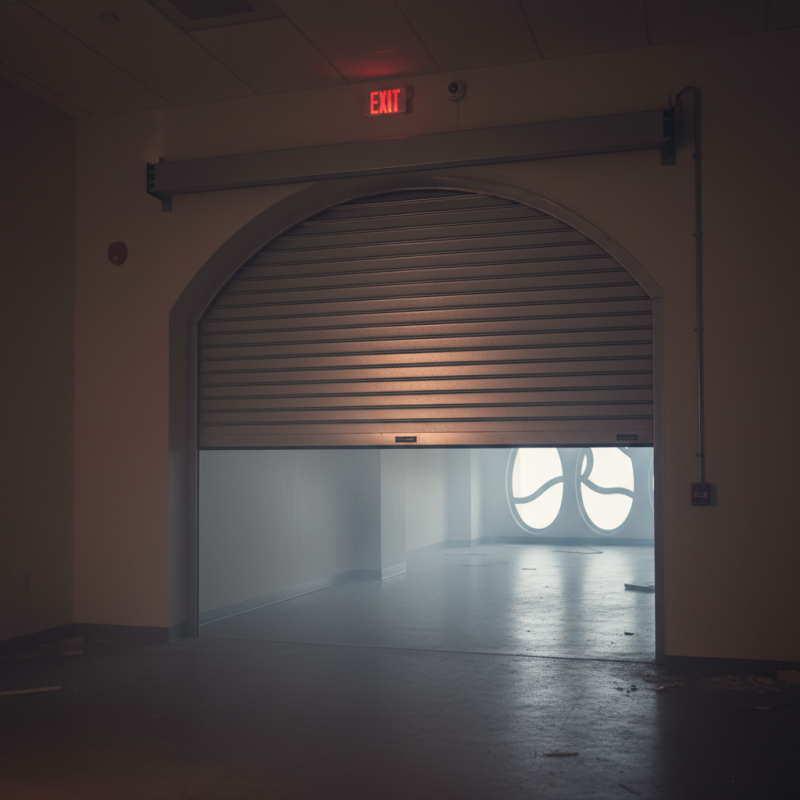
What is a Roll Down Fire Door?
A roll down fire door is a crucial safety feature in many commercial and industrial buildings. It acts as a barrier to contain smoke and flames, providing critical time for evacuation and firefighting efforts. These doors are designed to automatically close when a fire alarm is triggered, sealing off affected areas. The National Fire Protection Association (NFPA) states that fire doors must have a fire rating of at least 20 minutes, allowing safe passage during emergencies.
The construction of a roll down fire door typically includes steel or composite materials, which enhance their durability. When the door is activated, it rolls down from an overhead position, creating a secure enclosure. According to industry reports, correctly installed fire doors can reduce the spread of flames by up to 75%. Despite these benefits, many facilities overlook regular maintenance. A study showed that 30% of fire doors inspected fail to meet safety standards due to lack of proper upkeep.
Not all roll down fire doors are created equal. Some may not close appropriately due to damaged sensors or mechanical failures. This flaw can pose risks during emergencies. An estimated 25% of fire incidents occur in buildings with poorly maintained fire protection systems. Thus, awareness and adherence to inspection protocols are essential for ensuring safety in the workplace.
Key Components of a Roll Down Fire Door
A roll down fire door is an essential safety feature in many buildings. It is designed to contain fire and smoke, giving occupants time to evacuate. The door rolls down from an overhead coil when activated. This simple mechanism is effective but relies on several key components.
The primary element is the door curtain, made of fire-resistant materials. This prevents flames from spreading quickly. Another important part is the motor system. It controls the door's movement and can respond to fire alarms. Springs and tension systems also play a role, ensuring the door descends smoothly.
Regular maintenance of these components is crucial. A malfunction can render a fire door ineffective. Periodic inspections help identify wear and tear. Ignoring these can lead to serious safety risks. Every part must work in harmony for the system to function. Awareness and education about these doors are essential for safety and efficiency.
Fire Door Performance Ratings
How Does a Roll Down Fire Door Function?
Roll down fire doors are crucial in commercial buildings. They serve as protective barriers against fire and smoke. The National Fire Protection Association (NFPA) notes that these doors can reduce the spread of flames by up to 50%. This capability can significantly limit fire damage and protect lives.
These doors function through a simple mechanism. When activated, a fire alarm triggers the door to descend. The door rolls down along a track, closing off openings swiftly. Most designs include a thermal sensor that activates at high temperatures. According to industry studies, approximately 75% of fires start in areas without proper containment. Roll down fire doors help mitigate this risk.
However, not all installations are perfect. Sometimes, doors may fail to close fully due to obstructions or mechanical issues. Regular inspections are essential to ensure functionality. An estimated 30% of fire doors are non-compliant due to wear and tear. Building managers must address these concerns to ensure safety and compliance with fire codes.
Benefits of Installing a Roll Down Fire Door
Roll down fire doors are critical in fire safety. They provide a reliable barrier that can contain flames and smoke. Installing these doors can enhance the safety of any building. In fact, the National Fire Protection Association (NFPA) reports that proper fire door installations can reduce the spread of fire by nearly 50%.
One key benefit is the quick response to fire emergencies. Roll down fire doors can close automatically. This feature helps to confine fire to a specific area. A study from the International Fire Safety Foundation indicates that buildings equipped with these doors experience fewer fire-related incidents. They protect valuable assets and enhance occupant safety.
Moreover, roll down fire doors are often more durable than standard fire doors. They endure heavy use without sustaining damage. The Department of Homeland Security outlines that this durability can save money in the long term. However, regular maintenance is essential. Neglecting this could lead to mechanical failures when they are most needed. While their benefits are significant, owners must remain vigilant in upkeep.
Safety Standards and Regulations for Fire Doors
Fire doors play a crucial role in maintaining safety during emergencies. They must meet specific standards to ensure effectiveness. These standards dictate materials used, resistance levels, and installation practices. Compliance with local fire codes is essential. Each community may have unique requirements, making it vital to understand local regulations.
Testing and certification processes are important for fire doors. They need to withstand heat and prevent smoke from spreading. Regular inspections are necessary to maintain their integrity. However, gaps in knowledge often exist. Some owners may overlook the need for proper maintenance or proper installation. This can lead to dangerous situations when seconds count.
Moreover, education about fire door functions is often lacking. Many people don't realize their importance. Clear signage and accessibility are key to ensuring safety. It is crucial to promote awareness about fire doors in buildings. Ultimately, understanding and following safety regulations saves lives in emergencies.
What is a Roll Down Fire Door and How Does It Work? - Safety Standards and Regulations for Fire Doors
| Dimension | Description | Standards | Maintenance |
| Height | Typical height ranges from 6 to 12 feet. | NFPA 80 compliant. | Annual inspection required. |
| Width | Available in widths of up to 20 feet. | IBC compliant regulations. | Monthly testing recommended. |
| Fire Rating | Typically rated for 1 to 3 hours. | ASTM E119 test standards. | Check seals regularly. |
| Material | Usually made from steel or aluminum. | UL Certification necessary. | Lubricate moving parts bi-annually. |
